Finance PR and vendor-article submission guides — 10 practical guides.
 Should I start investing with a lump sum or monthly contributions?Both approaches work; the better choice depends on your situation and the market environment.
 How much of my portfolio should be in each asset class?Asset allocation—deciding how much to hold in stocks, bonds, and cash—is more important than picking individual investments.
 What's the difference between active and passive investing?Active investors try to beat the market by picking individual stocks; passive investors track the market's performance.
 What's the difference between a stock and a bond?Stocks and bonds are both securities, but they represent different claims on a company's value.
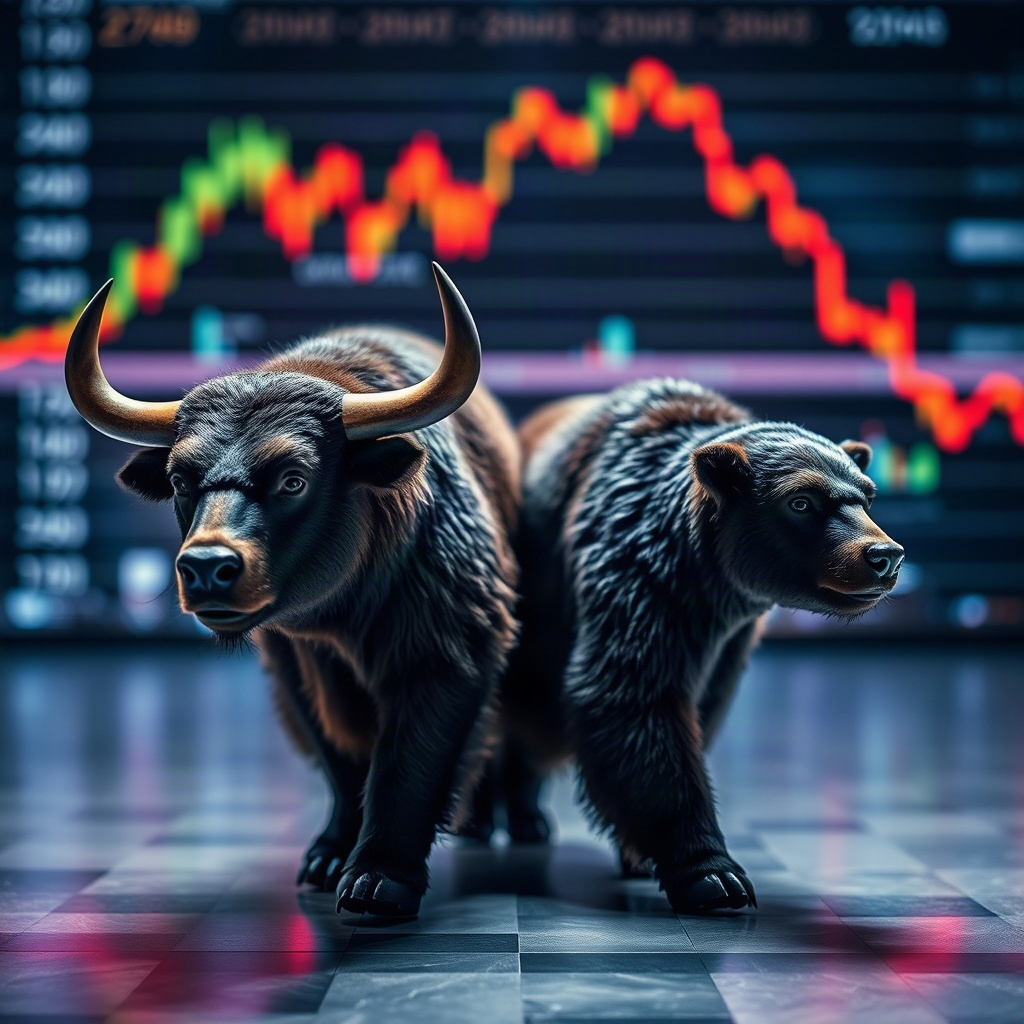 What's a bull market and a bear market?These common terms describe whether prices are rising or falling over the medium to long term.
 What does volatility mean and why does it matter?Volatility measures how much and how often an investment's price moves; higher volatility means bigger swings.
Clear, honest explainers on getting found by AI, generating media affordably, and whether the tools are actually worth it. Newest first.
Investment fees vary widely; understanding the main types helps you compare brokers fairly.
Read the guideInvestment fees vary widely; understanding the main types helps you compare brokers fairly.
Stocks and bonds are both securities, but they represent different claims on a company's value.
Both approaches work; the better choice depends on your situation and the market environment.
Volatility measures how much and how often an investment's price moves; higher volatility means bigger swings.
A few basic checks can confirm whether a broker is registered and regulated.
Cash sitting in a brokerage account earns little or nothing; consider these safer alternatives.
These common terms describe whether prices are rising or falling over the medium to long term.
Start by opening an account, learning key concepts, and investing small amounts until you build confidence.
Asset allocation—deciding how much to hold in stocks, bonds, and cash—is more important than picking individual investments.
Active investors try to beat the market by picking individual stocks; passive investors track the market's performance.
Investment fees vary widely; understanding the main types helps you compare brokers fairly.
Stocks and bonds are both securities, but they represent different claims on a company's value.
Both approaches work; the better choice depends on your situation and the market environment.
Volatility measures how much and how often an investment's price moves; higher volatility means bigger swings.
A few basic checks can confirm whether a broker is registered and regulated.
Cash sitting in a brokerage account earns little or nothing; consider these safer alternatives.
These common terms describe whether prices are rising or falling over the medium to long term.
Start by opening an account, learning key concepts, and investing small amounts until you build confidence.
Asset allocation—deciding how much to hold in stocks, bonds, and cash—is more important than picking individual investments.
Active investors try to beat the market by picking individual stocks; passive investors track the market's performance.
Finance PR and vendor-article submission guides — 10 practical guides.
Should I start investing with a lump sum or monthly contributions?Both approaches work; the better choice depends on your situation and the market environment.How much of my portfolio should be in each asset class?Asset allocation—deciding how much to hold in stocks, bonds, and cash—is more important than picking individual investments.What's the difference between active and passive investing?Active investors try to beat the market by picking individual stocks; passive investors track the market's performance.What's the difference between a stock and a bond?Stocks and bonds are both securities, but they represent different claims on a company's value.What's a bull market and a bear market?These common terms describe whether prices are rising or falling over the medium to long term.What does volatility mean and why does it matter?Volatility measures how much and how often an investment's price moves; higher volatility means bigger swings. How do I start investing if I have no experience?
 How do I know if a broker is legitimate?
 What's the safest way to hold cash in a brokerage account?
 What fees should I actually expect to pay?









